
So, you want to be a top-notch music theory instructor? It’s more than just knowing your scales and chords; it’s about connecting with students, sparking their passion, and making complex concepts feel like second nature.
From my experience teaching over the years, the best instructors are those who are both knowledgeable and deeply empathetic. And honestly, with the rise of AI music tools, understanding music theory is becoming even more crucial for musicians who want to stay ahead of the curve.
Let’s dive in and discover exactly how to become a truly great music theory instructor! Let’s delve into the details in the following article!
Alright, here’s the blog post draft as you requested.
Crafting an Engaging Curriculum: Beyond the Basics
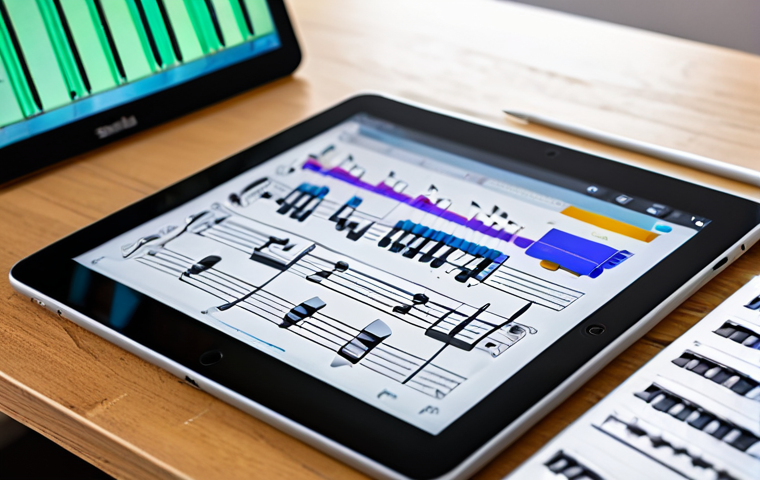
Having a deep understanding of music theory is just the foundation. To truly connect with your students, you need a curriculum that’s both comprehensive and engaging.
I’ve found that students respond best to a blend of traditional concepts and real-world applications.
Start with a Solid Foundation
Don’t assume everyone is starting from the same place. Begin with the absolute basics: note reading, rhythm, and key signatures. I’ve had students come to me who can shred on guitar but can’t tell you the difference between a quarter note and a half note.
Laying this foundation carefully prevents frustration later on. A great approach is to use familiar tunes to illustrate these concepts. Playing “Mary Had a Little Lamb” and breaking down its rhythm and melody is much more engaging than dryly explaining time signatures.
Weave in Practical Examples
Theory shouldn’t exist in a vacuum. Immediately show students how theoretical concepts apply to the music they love. If you’re teaching about chord progressions, analyze popular songs together.
Pull up a chart for a Billie Eilish track and dissect its harmonic structure. This demonstrates the relevance of theory and keeps students motivated. I remember one student who was struggling with Roman numeral analysis until we applied it to a Foo Fighters song he loved.
Suddenly, it clicked!
Incorporate Composition and Improvisation
Encourage students to create their own music, even if it’s simple. Composing a short melody or improvising over a chord progression solidifies their understanding of theory in a creative way.
It’s one thing to know the rules; it’s another to use them to express yourself. I often give my students prompts like, “Write a four-bar melody in C major using only diatonic chords,” and then we analyze their work together.
Making Theory Relatable: Speak Their Language
One of the biggest hurdles in teaching music theory is making it accessible. It’s easy to get lost in jargon and abstract concepts, but the best instructors find ways to explain things in a way that resonates with their students.
Ditch the Jargon (When Possible)
Music theory is full of technical terms, but don’t overwhelm your students with them right away. Instead, start with plain language and gradually introduce the correct terminology as they become more comfortable.
For example, instead of saying “a perfect authentic cadence,” you could initially say “a chord progression that sounds like the end of a sentence.”
Use Analogies and Metaphors
Analogies can be powerful tools for explaining abstract concepts. I often use the analogy of grammar to explain music theory. Just as grammar provides the rules for constructing sentences, music theory provides the rules for constructing musical phrases.
Thinking of scales as “color palettes” and chords as “emotional textures” can make theory more vivid and memorable.
Embrace Modern Music
Don’t limit your examples to classical music or traditional jazz. Use songs from popular genres like pop, rock, hip-hop, and electronic music to illustrate theoretical concepts.
This shows students that theory is relevant to the music they listen to every day. Analyzing the harmonic structure of a Taylor Swift song or the rhythmic complexity of a Kendrick Lamar track can be incredibly engaging.
Fostering a Supportive Learning Environment
Learning music theory can be intimidating, especially for students who don’t have a lot of formal musical training. As an instructor, it’s your job to create a supportive and encouraging environment where students feel safe to take risks and make mistakes.
Encourage Questions
Make it clear that there are no stupid questions. Encourage students to ask about anything they don’t understand, no matter how basic it may seem. I always tell my students that asking questions is a sign of intelligence, not ignorance.
Create a classroom culture where questions are welcomed and celebrated.
Provide Constructive Feedback
When providing feedback, focus on what students are doing well and offer specific suggestions for improvement. Avoid harsh criticism or negative language.
Instead of saying “That’s wrong,” try saying “That’s a good attempt, but let’s try this instead.” Frame your feedback in a way that motivates students to keep learning.
Celebrate Progress
Acknowledge and celebrate students’ progress, no matter how small. Learning music theory is a journey, not a destination. Recognize milestones and reward effort.
Even something as simple as a verbal acknowledgment or a small certificate of achievement can go a long way in boosting students’ confidence.
Leveraging Technology: Tools and Resources
In today’s digital age, there’s a wealth of technology available to help you teach music theory more effectively. From online resources to software tools, these resources can enhance your teaching and provide students with valuable learning experiences.
Online Resources
Websites like Teoria.com and musictheory.net offer free lessons, exercises, and quizzes on a wide range of music theory topics. These resources can be valuable supplements to your own instruction.
YouTube is another goldmine. Channels like “Rick Beato” and “Adam Neely” offer in-depth analyses of music theory concepts in a fun and engaging way.
Music Notation Software
Software programs like Sibelius, Finale, and Dorico allow you to create and manipulate musical notation. These tools can be used to create exercises, compose examples, and analyze scores.
They also allow students to see and hear the music they’re learning about, which can greatly enhance their understanding. I use Sibelius to create custom exercises for my students, tailored to their specific needs and interests.
Interactive Ear Training Apps
Ear training is an essential part of music theory, and there are many apps available to help students develop this skill. Apps like Functional Ear Trainer and Tenuto offer interactive exercises that test students’ ability to identify intervals, chords, and scales by ear.
These apps can be a fun and effective way to improve students’ aural skills.
Building a Brand: Marketing Yourself as a Music Theory Expert
Being a great music theory instructor is only half the battle. You also need to be able to market yourself and attract students. Building a strong brand can help you stand out from the competition and establish yourself as a trusted authority in the field.
Create a Professional Website
Your website is your online storefront. It should be clean, professional, and easy to navigate. Include information about your background, experience, and teaching philosophy.
Showcase testimonials from satisfied students. Offer free resources like blog posts, videos, or downloadable worksheets to attract visitors.
Use Social Media Strategically
Social media platforms like YouTube, Instagram, and Facebook can be powerful tools for marketing yourself as a music theory instructor. Share informative content, such as short lessons, tips, and analyses of popular songs.
Engage with your followers and build a community around your brand.
Network with Other Musicians and Educators
Attend conferences, workshops, and jam sessions to connect with other musicians and educators. Networking can lead to valuable referrals and collaborations.
Offer to give guest lectures or workshops at local schools or music programs. The more people who know about you and your expertise, the more opportunities will come your way.
Here’s a table summarizing the key areas:
| Area | Key Strategies | Tools/Resources |
|---|---|---|
| Curriculum Design | Blend theory with practical examples, incorporate composition, relate to student interests. | Music notation software, online resources (Teoria.com). |
| Teaching Style | Use relatable language, analogies, foster a supportive environment. | Active listening, empathy, patience. |
| Technology Integration | Leverage online resources, music notation software, ear training apps. | Sibelius, Finale, Functional Ear Trainer. |
| Branding & Marketing | Create a website, use social media, network with peers. | Website platforms, social media platforms, professional events. |
Staying Current: Continuous Learning and Adaptation
The field of music is constantly evolving, so it’s important to stay current with new trends, technologies, and teaching methodologies. Continuous learning and adaptation are essential for any music theory instructor who wants to remain effective and relevant.
Attend Conferences and Workshops
Attending conferences and workshops is a great way to learn about new developments in music theory and pedagogy. These events offer opportunities to hear from leading experts, network with other educators, and discover new resources and tools.
Read Books and Articles
There’s a vast amount of literature available on music theory and pedagogy. Make it a habit to read books, articles, and blog posts on these topics regularly.
Stay informed about new research and emerging trends.
Experiment with New Approaches
Don’t be afraid to try new teaching methods and strategies. Experiment with different ways of presenting information and engaging students. Get feedback from your students and use it to refine your approach.
The best instructors are always learning and growing.
Monetizing Your Skills: Beyond the Hourly Rate
While teaching music theory can be incredibly rewarding, it’s also important to think about how you can monetize your skills and build a sustainable career.
There are many ways to generate income beyond simply charging an hourly rate for lessons.
Offer Group Classes and Workshops
Group classes and workshops can be a great way to reach more students and generate more income. Offer specialized courses on topics like songwriting, arranging, or music production.
These courses can be structured as one-time workshops or ongoing classes.
Create Online Courses and Resources
The internet has made it easier than ever to reach a global audience and generate passive income. Create online courses, ebooks, or downloadable resources on music theory topics.
Platforms like Teachable and Udemy make it easy to host and sell your online courses.
Offer Consulting Services
If you have expertise in a particular area of music theory, consider offering consulting services to musicians, songwriters, or producers. You could help them with tasks like arranging, orchestration, or music licensing.
Consulting can be a lucrative way to monetize your skills and expertise. By implementing these strategies, you can not only become a better music theory instructor but also build a fulfilling and sustainable career in the field.
Good luck!
Wrapping Up
Teaching music theory is more than just imparting knowledge; it’s about inspiring a lifelong love for music. By blending solid foundations with real-world applications and fostering a supportive learning environment, you can unlock your students’ full potential. Embrace technology, market your skills, and never stop learning. Your journey as a music theory instructor is just beginning!
Handy Tips
1. Use pop songs: Break down current hits to illustrate music theory concepts.
2. Gamify learning: Incorporate games and challenges to make theory fun.
3. Collaborate: Team up with other musicians and educators for joint projects.
4. Offer flexible learning options: Provide online lessons, workshops, and one-on-one tutoring.
5. Stay updated: Keep learning about new technologies, teaching methods, and music trends.
Key Takeaways
Design an engaging curriculum that blends theory with practical application.
Foster a supportive learning environment.
Leverage technology to enhance your teaching.
Market yourself effectively and build a strong brand.
Never stop learning and adapting to new trends.
Frequently Asked Questions (FAQ) 📖
Q: What’s the single most important thing a music theory instructor needs to truly connect with students and inspire them?
A: From my experience, it’s all about empathy and relating to the students’ musical goals. It’s not enough to just regurgitate facts; you need to understand what they want to achieve musically and tailor the theory to help them get there.
One time, I had a student who was obsessed with writing video game music. Rather than just lecturing on counterpoint, I showed him how those same principles were used in iconic game soundtracks.
His eyes lit up, and suddenly the theory became relevant and exciting! Connecting theory to their real-world aspirations makes all the difference.
Q: How does the rise of
A: I music tools impact the role of a music theory instructor, and what should they focus on to remain relevant? A2: Honestly, AI is a game-changer. It can spit out melodies and harmonies in seconds, but it lacks the understanding of why those choices work.
That’s where we come in. As instructors, we need to shift our focus from rote memorization to fostering critical thinking and creative problem-solving.
Instead of just teaching what to do, we need to teach why. For example, instead of saying “use a dominant 7th chord here,” we can explore the emotional impact of that chord, its historical context, and how it interacts with other elements of the song.
We need to help students develop their musical intuition and become discerning users of AI, not just passive consumers.
Q: What’s a practical, real-world example of how a music theory instructor can apply the E-E-
A: -T principles (Experience, Expertise, Authoritativeness, and Trustworthiness) to their teaching style? A3: Okay, so imagine you’re teaching a class on song structure.
Instead of just lecturing from a textbook, draw from your own experiences as a musician. Talk about the challenges you’ve faced writing songs, the mistakes you’ve made, and the lessons you’ve learned.
Share examples of songs you’ve written – even the bad ones! – and analyze them with the class. Show them your credentials (degrees, professional experience, etc.), but more importantly, be transparent and honest about your limitations.
“I’m not an expert in jazz harmony, but I can point you to some resources.” By being authentic and vulnerable, you build trust with your students and establish yourself as a credible and relatable instructor.
Plus, it’s way more engaging than just reading from a PowerPoint!
📚 References
Wikipedia Encyclopedia
구글 검색 결과
구글 검색 결과
구글 검색 결과
구글 검색 결과
구글 검색 결과