Hey there, fellow music theory warriors! That big exam day is probably looming, and I know *exactly* how that mix of nervous energy and focused excitement feels.
You’ve poured countless hours into mastering harmony, counterpoint, and those tricky aural tests, and now you’re almost there! But before you step into that exam room, let’s talk about your ultimate secret weapon: the meticulously crafted checklist.
Trust me, overlooking a tiny detail can add a mountain of unnecessary stress, and we want you walking in feeling like a rockstar, not a wreck. Having personally navigated the waters of various music theory exams myself, from my early grade levels all the way through to those intense diploma assessments, I’ve picked up some invaluable lessons – sometimes the hard way!
It’s not just about flawlessly identifying every chord or knowing your key signatures inside out; it’s equally about having all your ducks in a row for the actual exam experience.
Especially with the evolving landscape of music education, where some exams have seamlessly transitioned to online platforms while others still cherish the traditional paper-and-pencil format, often with specific digital submission requirements post-exam, preparedness is paramount.
I’ve witnessed firsthand how easily a friend’s performance was impacted by forgetting a particular type of pencil, or by misplacing essential ID, and that kind of avoidable anxiety is a real buzzkill.
My goal here is to help you bypass those common pitfalls and ensure your path to certification is as smooth and satisfying as a perfectly executed final cadence.
Let’s dive in and nail this!
Hello again, music theory aficionados! You’re almost at the finish line, and I can practically feel your determination radiating through the screen. We’ve talked about the importance of a solid checklist, and now it’s time to truly unpack what goes into making that checklist your most powerful ally.
This isn’t just about ticking boxes; it’s about building a fortress of confidence around yourself, ensuring that when you walk into that exam room – or log into that virtual one – you’re absolutely primed for success.
I’ve been there, stomach churning with a mix of excitement and nerves, and I know that the smallest oversight can sometimes feel like a mountain. So, let’s dive deep into how we can transform those anxious moments into assured victories.
Fine-Tuning Your Inner Composer: Pre-Exam Mental Prep
Taming the Jitters: Practical Mindset Shifts
Alright, let’s be real, those pre-exam jitters are as much a part of the music theory experience as a dominant seventh chord resolution! I’ve had moments where my brain felt like a tangled mess of counterpoint rules just hours before a big assessment.
But what I’ve learned, through trial and error (and a few deep breaths!), is that how you approach those feelings can make all the difference. Instead of fighting the nerves, acknowledge them.
Tell yourself, “Okay, brain, I hear you, you’re excited/nervous, and that’s totally normal.” Then, gently shift your focus. I personally found it incredibly helpful to spend about 15-20 minutes doing something completely unrelated to music theory – maybe listening to my favorite chill-out playlist, or even just doing a quick tidy of my desk.
It’s like giving your mental engine a moment to idle smoothly before you hit the gas. This small ritual doesn’t just calm you; it also signals to your brain that you’re in control, and that confidence, my friends, is absolutely priceless.
Remember, a calm mind is a clear mind, and a clear mind is ready to tackle anything those examiners throw at you.
Visualizing Victory: Your Secret Weapon
This might sound a bit ‘woo-woo,’ but trust me, visualizing success is a powerful technique that I’ve personally used to great effect. Before any significant exam, I always take a few minutes to close my eyes and vividly imagine the entire exam experience.
I picture myself confidently reading through the questions, my pen gliding smoothly across the paper (or my fingers flying across the keyboard for online exams), and solutions flowing effortlessly.
I even visualize the feeling of relief and satisfaction as I place my pen down at the end, knowing I’ve given it my absolute best shot. This isn’t just wishful thinking; it’s about mentally rehearsing for success.
It builds a positive neural pathway, essentially tricking your brain into believing it’s already aced the exam, which then reduces anxiety and boosts actual performance.
Think of it as a mental warm-up, just like a musician warms up their instrument before a performance. It really helps you walk in with a sense of purpose and calm, rather than dread.
Your Battle Gear: Assembling the Ultimate Exam Day Kit
The Tried and True: Essential Analog Tools
Okay, let’s talk practicalities. Whether you’re facing a traditional paper-based exam or a digital one with written components, some things are just non-negotiable.
I can’t tell you how many times I’ve seen fellow students scrambling for a spare pencil or a good eraser just minutes before the start, and that’s exactly the kind of avoidable stress we want to bypass.
My personal rule of thumb is ‘two of everything important.’ That means at least two sharpened pencils (and an extra sharpener!), a reliable eraser that doesn’t smudge, and a good quality pen (or two!) that feels comfortable in your hand.
If your exam allows for rulers, make sure it’s a clear one – super helpful for drawing staves or aligning ledger lines neatly. And don’t forget a small, non-distracting watch if clocks aren’t guaranteed in the exam room; managing your time is half the battle!
I learned this the hard way during a particularly long theory paper where the wall clock was obscured; never again will I rely on external timekeepers!
Navigating the Digital Frontier: Tech Essentials for Online Assessments
The world has changed, and so have many music theory exams! If your certification is happening online, your “kit” looks a little different, but the principle of preparedness remains the same.
First and foremost, a reliable computer – and I mean *reliable*. Make sure it’s fully charged, or better yet, plugged in. Test your internet connection a few times leading up to the exam day, because a patchy Wi-Fi signal can turn a minor glitch into a major meltdown.
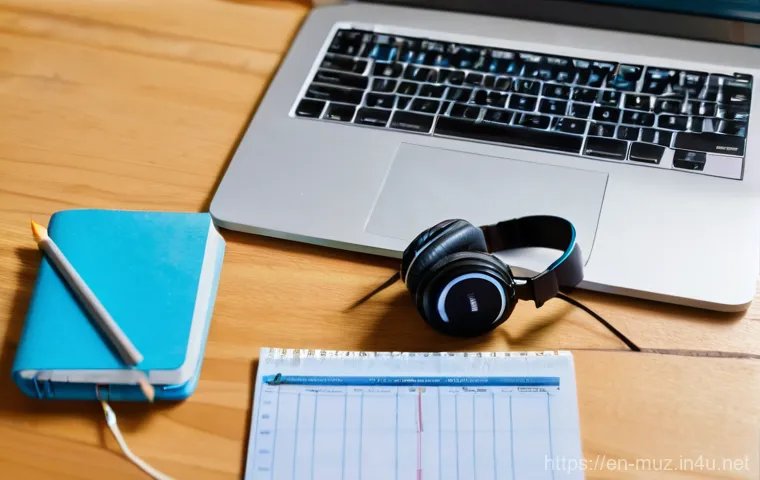
I’ve heard horror stories of submissions failing due to bad connections, and believe me, you don’t want to be that person! Don’t forget your headphones if the exam has an aural component; testing them in advance is crucial.
Also, consider having a quiet, clutter-free space where you won’t be disturbed. For exams requiring webcams, ensure your lighting is good and your background is appropriate.
And please, for the love of all things harmonious, *restart your computer* an hour before the exam to clear out any rogue processes!
Your Final Polishing Pass: Smart Last-Minute Strategies
Strategic Review: Hitting Your Sweet Spots (and Weaknesses!)
With the exam looming, it’s not about cramming everything you’ve ever learned; it’s about smart, targeted review. I’ve found that trying to re-read an entire textbook at this stage is counterproductive and often just increases anxiety.
Instead, focus on two key areas: the topics you consistently struggle with and the topics that are heavily weighted in the exam. Go back through your practice papers, identify patterns in your mistakes, and then spend your precious last hours drilling those specific concepts.
If inversions of chords always trip you up, spend 30 minutes just writing out and identifying every possible inversion. If part-writing rules sometimes get hazy, review a few examples until they click.
Don’t be afraid to revisit the basics either; sometimes reinforcing foundational knowledge can solidify more complex concepts. I once realized, a day before an exam, that I was consistently misidentifying a particular cadence, and a quick, focused review saved me crucial marks!
Simulated Exam Conditions: Your Dress Rehearsal
This is probably one of the most underrated but incredibly effective strategies. Don’t just *review* content; *practice* the entire exam experience. Find a past paper or a mock exam, set a timer for the exact duration of your upcoming exam, and do it under exam conditions.
That means no distractions, no notes, and no looking up answers. I always made sure to simulate the environment as closely as possible – sitting at the desk I’d use, ensuring all my allowed materials were ready, and even taking a quick restroom break only during an allotted time.
This not only helps you get a feel for the pacing required to complete the exam but also highlights any areas where your time management might be off.
Plus, it’s a fantastic way to build stamina and reduce that “first-time” shock when the actual exam paper is in front of you. Trust me, running through a full mock exam helped me immensely in understanding where I needed to speed up or slow down.
Nourishing Your Inner Musician: The Wellness Factor

Fueling Your Brainpower: The Right Nutrition
You wouldn’t expect your instrument to perform flawlessly without being properly maintained, would you? The same goes for your brain! What you eat (or don’t eat) in the days leading up to, and especially on, exam day can have a massive impact on your cognitive function and energy levels.
I’m not talking about radical diet changes, but rather smart choices. Think complex carbohydrates for sustained energy (oatmeal, whole-grain toast), lean proteins for focus (eggs, yogurt), and plenty of fruits and vegetables for those essential vitamins.
And please, resist the urge to rely solely on sugary snacks or endless coffee! While a moderate amount of caffeine can be a boost, too much can lead to jitters and a subsequent energy crash – exactly what you *don’t* want during an exam.
My go-to exam morning meal is usually a bowl of oatmeal with some berries and a glass of water. It’s simple, sustaining, and doesn’t upset my stomach.
Rest and Recharge: The Unsung Hero of Exam Prep
This is probably the hardest advice to follow when you’re feeling the pressure, but it’s arguably the most important: get enough sleep! Pulling all-nighters might feel productive in the moment, but countless studies (and my own groggy experiences!) show that it severely impairs memory, focus, and problem-solving abilities.
Your brain needs that sleep to consolidate all the information you’ve been cramming and to rest and repair itself. Aim for 7-9 hours of quality sleep in the nights leading up to the exam.
Establish a relaxing bedtime routine – maybe a warm bath, reading a non-theory book, or listening to calming music – and try to stick to it. I know it’s tempting to squeeze in those extra hours of study, but trust me, walking into that exam room feeling refreshed and alert is a far greater advantage than an extra hour of frantic last-minute review.
A well-rested brain is a powerful brain.
The Unexpected Score: Troubleshooting & Back-up Plans
Murphy’s Law: What If Things Go Sideways?
As much as we prepare, sometimes things just… happen. Your alarm might not go off, your pen could run out mid-sentence, or your internet connection might decide to take a spontaneous vacation.
Instead of letting these potential hiccups cause a full-blown panic attack, let’s proactively prepare for them. This is where your ‘Plan B’ thinking comes in.
What if your main pen fails? That’s why you have two. What if your computer crashes?
Do you know the support number for your online exam platform, or what backup measures they have in place? What if you get stuck in traffic? Know alternative routes and leave ample time.
I vividly remember one exam where the heating broke down, and it was absolutely freezing. Luckily, I’d thought to bring an extra sweater – a small thing that made a huge difference to my comfort and focus.
Thinking about these scenarios beforehand, even briefly, helps you react calmly and effectively if they do occur, rather than being completely blindsided.
Emergency Contacts and Contingency Contingencies
Going a step further than just packing spares, it’s also smart to have a clear understanding of who to contact and what procedures to follow if a major issue arises.
For online exams, make sure you have the technical support contact information readily available. For in-person exams, know who the invigilator is and how to get their attention if you have a problem.
It’s also wise to inform a trusted family member or friend about your exam schedule, so they can be a point of contact if you need assistance (e.g., a ride if your car breaks down).
I’m not suggesting you become a doomsday prepper, but rather a savvy strategist. A little preparation for the unexpected can save you a world of stress and keep you focused on what truly matters: demonstrating your incredible musical knowledge.
This proactive approach isn’t just about avoiding disaster; it’s about giving yourself the peace of mind to perform your best, no matter what curveballs life throws your way.
Here’s a quick overview of some essential items and considerations to have on your radar:
| Category | Item/Consideration | Why It Matters |
|---|---|---|
| Writing Tools | Multiple Pencils (sharpened) & Eraser | Avoid frantic scrambling and smudges. |
| Writing Tools | Comfortable Pen(s) | Ensures smooth writing and less hand fatigue. |
| ID & Entry | Valid Photo ID & Exam Admission Slip | Mandatory for entry; don’t get turned away! |
| Time Management | Non-Smartwatch (if allowed) | Crucial for pacing yourself effectively. |
| Online Exam Prep | Reliable Internet & Charged Device | Prevents technical meltdowns during critical moments. |
| Online Exam Prep | Tested Headphones (for aural exams) | Ensures clear audio for listening components. |
| Comfort & Wellness | Water Bottle & Light Snack | Stay hydrated and maintain energy levels. |
| Comfort & Wellness | Extra Layer of Clothing | Adjust to fluctuating room temperatures. |
| Mental Prep | Positive Mindset & Visualization | Boosts confidence and reduces anxiety. |
Wrapping Things Up
And there we have it, my friends! We’ve navigated the intricate pathways of music theory exam prep, from taming those pesky pre-exam nerves to fine-tuning your actual battle gear. Remember, every tip, every strategy, every little mental trick we’ve discussed isn’t just theory; it’s a piece of the puzzle that I, and countless others, have personally found incredibly effective. This journey isn’t just about passing an exam; it’s about mastering your own potential and building the confidence to face any challenge, musical or otherwise. So, take a deep breath, trust in your hard work, and know that you’re more prepared than you think. You’ve got this, and I can’t wait to hear about your triumphs!
Useful Info to Keep Handy
1. Don’t underestimate the power of “micro-breaks” during your study sessions. I found that stepping away from my desk for just five minutes every hour, whether to grab a glass of water or stretch, dramatically improved my focus and retention. It’s like resetting your brain’s cache, preventing burnout and keeping those complex musical concepts from blurring together. Trust me, your brain will thank you for the mini-vacation!
2. Consider forming a small, dedicated study group with fellow music theory enthusiasts. I remember countless late-night sessions with my peers, where we’d explain concepts to each other. Teaching someone else is often the best way to solidify your own understanding. Plus, they might catch a nuance you missed, or you might clarify something for them, making it a win-win for everyone involved. It’s truly amazing how collective brainpower can elevate individual learning.
3. Always, always try to get your hands on the exam rubric or syllabus. Knowing exactly how your answers will be graded is like having a cheat sheet for success. I once spent ages perfecting a part-writing exercise, only to realize I’d overlooked a small but heavily weighted criterion because I hadn’t properly reviewed the marking scheme. It changed my approach entirely, helping me prioritize my efforts on what truly mattered.
4. After the exam, resist the urge to immediately dwell on what you might have gotten wrong. Instead, give yourself a moment to decompress. When you’re ready, a quick, honest reflection on your preparation process can be incredibly valuable for future exams. What worked well? What could be improved? This isn’t about regret, but about continuous personal growth. I always found this step crucial for making the next study cycle even more efficient.
5. Branch out with your practice resources. While your primary textbook is vital, don’t be afraid to explore other online tutorials, supplementary workbooks, or even YouTube channels dedicated to music theory. Different instructors often explain concepts in unique ways that might just click for you. I personally stumbled upon a YouTube series that finally made sense of Schenkerian analysis for me after weeks of confusion. Variety really is the spice of learning!
Key Takeaways for Your Musical Journey
What we’ve truly unpacked today is that excelling in music theory isn’t just about raw talent or hours of rote memorization; it’s a holistic endeavor that blends a strategic mindset with meticulous preparation. From mentally rehearsing your success to double-checking your exam day essentials, every step you take to prepare builds an unbreakable foundation of confidence. I’ve personally seen the profound impact a calm, focused mind can have on performance, transforming what could be a nerve-wracking experience into an opportunity to shine.
Remember, the goal isn’t just to pass, but to truly understand and internalize these beautiful musical concepts. By prioritizing your well-being – getting enough sleep, nourishing your body, and managing stress – you’re essentially optimizing your brain to perform at its peak. And crucially, having a robust backup plan for those unexpected curveballs means you can approach the exam with an unshakeable sense of peace, knowing you’re ready for anything. It’s all about empowering yourself to showcase your incredible knowledge and passion for music. You’re not just taking an exam; you’re conducting your own symphony of success!
Frequently Asked Questions (FAQ) 📖
Q: Alright, so you mentioned a “meticulously crafted checklist” is our secret weapon for exam day. What kind of items should we be thinking about adding to it, beyond just knowing our scales and chords inside out?
A: Oh, this is where the magic happens! I’ve been there, cramming harmony until my brain felt like a fugue, only to almost trip up on something ridiculously simple.
Your checklist absolutely must go beyond the pure theoretical knowledge, because frankly, that’s assumed you’ve worked on! Think of it like this: your brain is a finely tuned instrument, and we need to make sure everything around it supports optimal performance.
So, beyond your score analysis and counterpoint exercises, I’d prioritize things like ensuring your exam room is prepped if it’s an online assessment – stable internet, charged laptop, a quiet space with good lighting, and no distractions (yes, tell your housemates!).
For in-person exams, it’s those seemingly mundane things that can throw you off. I vividly remember one exam where my favorite pencil broke halfway through, and I hadn’t brought a spare!
Ever since, my checklist always includes multiple sharpened pencils (HB and 2B for different needs!), a good eraser that doesn’t smudge, a reliable pen, and a ruler.
And please, please, don’t forget your valid ID! It sounds obvious, but the number of times I’ve seen someone frantically rummaging for their passport or driver’s license at the last minute is truly astounding.
We’re talking about creating a frictionless experience so your brilliant music mind can just focus on the task at hand.
Q: With so many exams transitioning to online formats, how does a universal checklist adapt for both traditional paper-and-pencil exams and the newer online versions, especially with digital submission requirements?
A: That’s a brilliant question, and honestly, it’s one of the biggest shifts I’ve personally had to navigate over the years! The core principle of preparedness remains the same, but the tools and environment definitely diverge.
For traditional exams, your checklist leans heavily into physical items: all those pens, pencils, erasers, maybe a protractor if needed for specific notation, and definitely a reliable watch (no phones allowed!).
You’re focusing on physical comfort too – layers of clothing in case the room is chilly, a bottle of water. For online exams, my checklist shifts dramatically towards tech and environment.
First and foremost, test your equipment a day or two before! Does your webcam work? Is your microphone clear?
Is your internet connection stable enough for live proctoring or uploading large files? I’ve had friends who only discovered their scanner app wasn’t working after finishing their exam, leading to a mad scramble to submit their beautifully handwritten scores.
So, factor in checking your scanning or photo submission setup, confirm the correct file formats, and know exactly how and where to upload your answers.
And here’s a personal gem: have a backup plan for internet or power, even if it’s just knowing where the nearest coffee shop with Wi-Fi is, or having a fully charged phone hotspot ready as an emergency.
It’s about anticipating those modern-day snags that traditional exams rarely threw at us.
Q: You mentioned lessons learned “the hard way” and helping us bypass common pitfalls. From your own experience, what are some of those easy-to-forget but absolutely crucial items or practices that were lifesavers for you on exam day?
A: Oh, trust me, I’ve collected a fair few “lessons learned the hard way” over my many years of sitting exams! One that stands out involves hydration and nutrition.
I used to think I could just power through on adrenaline and a dodgy energy drink. Big mistake. Now, my absolute lifesaver is a good quality water bottle (easy to open, doesn’t leak!) and a small, non-messy snack like a banana or some nuts.
Even if you don’t eat it, just having it there for a blood sugar dip can be a game-changer. Another crucial, often overlooked item, especially for aural exams, is having a good quality pair of headphones if you’re taking it online.
Not just any headphones, but ones you’ve tested and know sound clear and comfortable. I once used a pair that kept cutting out during a tricky melodic dictation, and it was pure agony!
For in-person, a simple tissue packet can prevent a sniffle from becoming a major distraction. Beyond physical items, my absolute top “practice” lifesaver has been arriving early – not just on time, but genuinely early.
This allows you to acclimatize, find your seat without rushing, use the restroom, and just take a few deep breaths to settle your nerves. That feeling of calm before the storm, knowing you’re ready, truly is invaluable.
Don’t underestimate the power of a clear head and a peaceful start!